


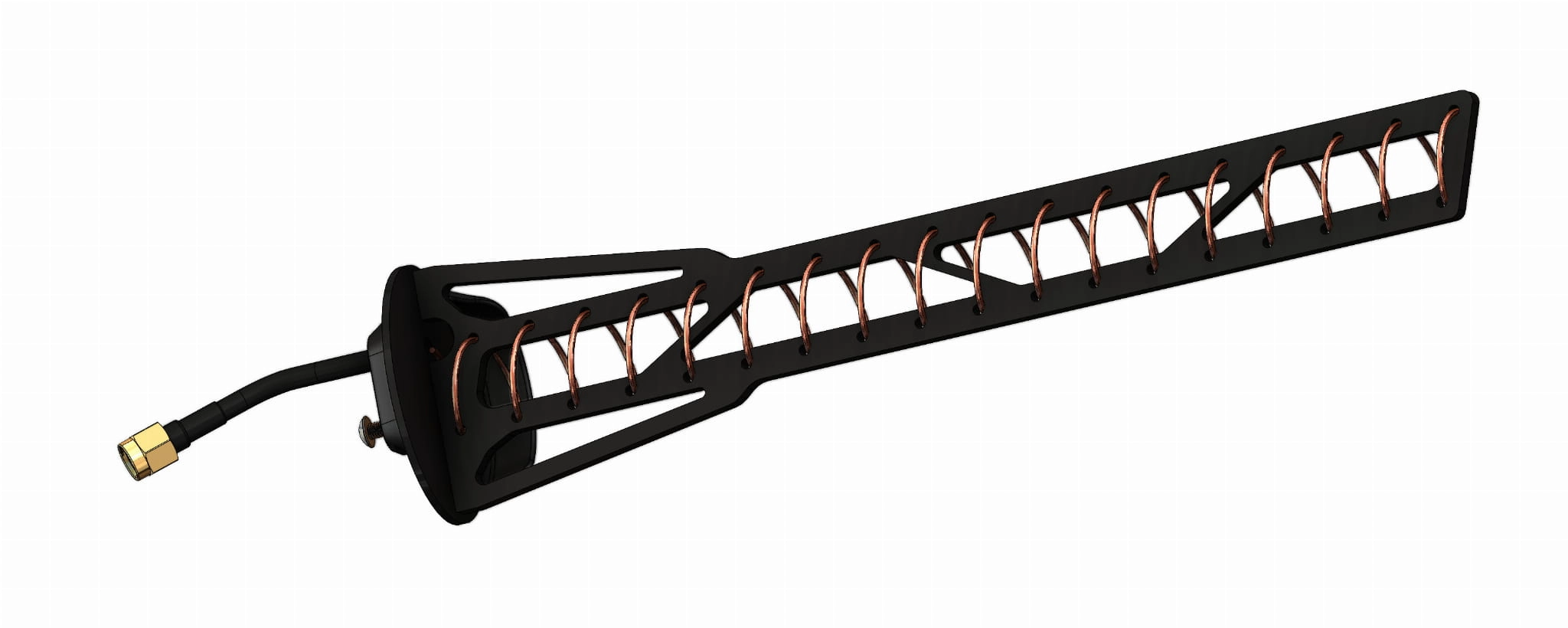
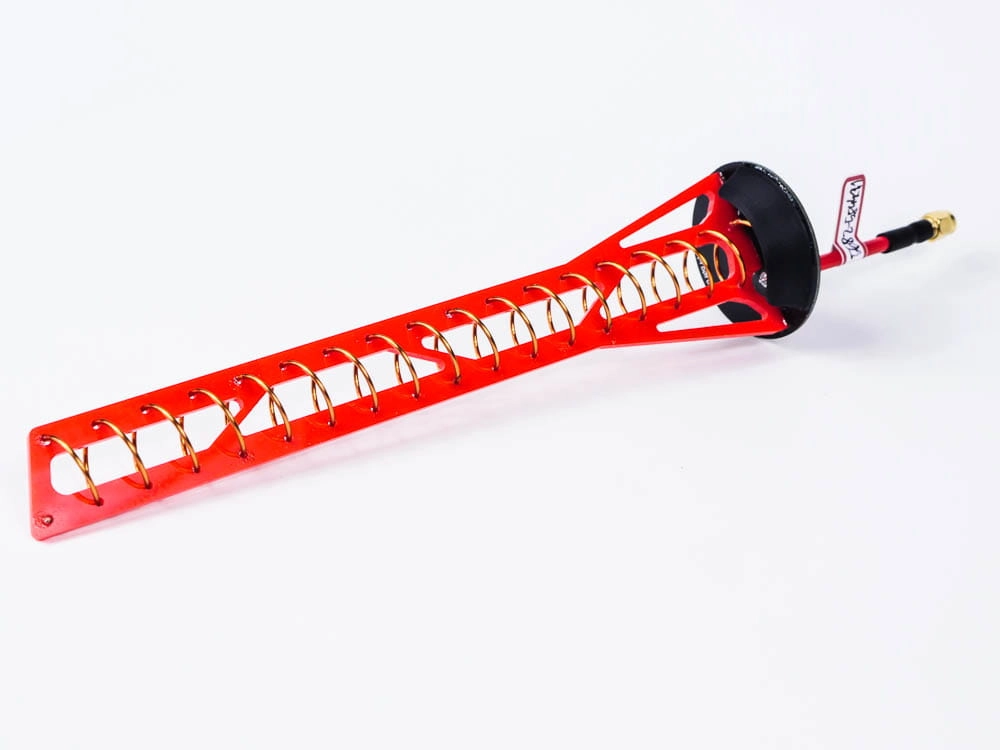
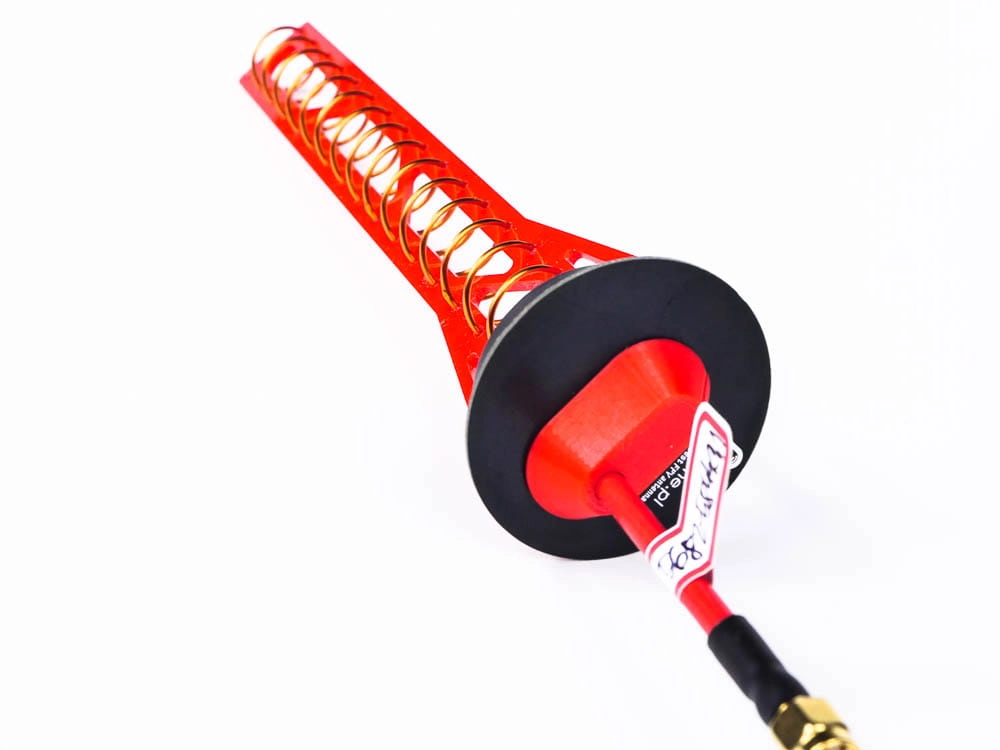
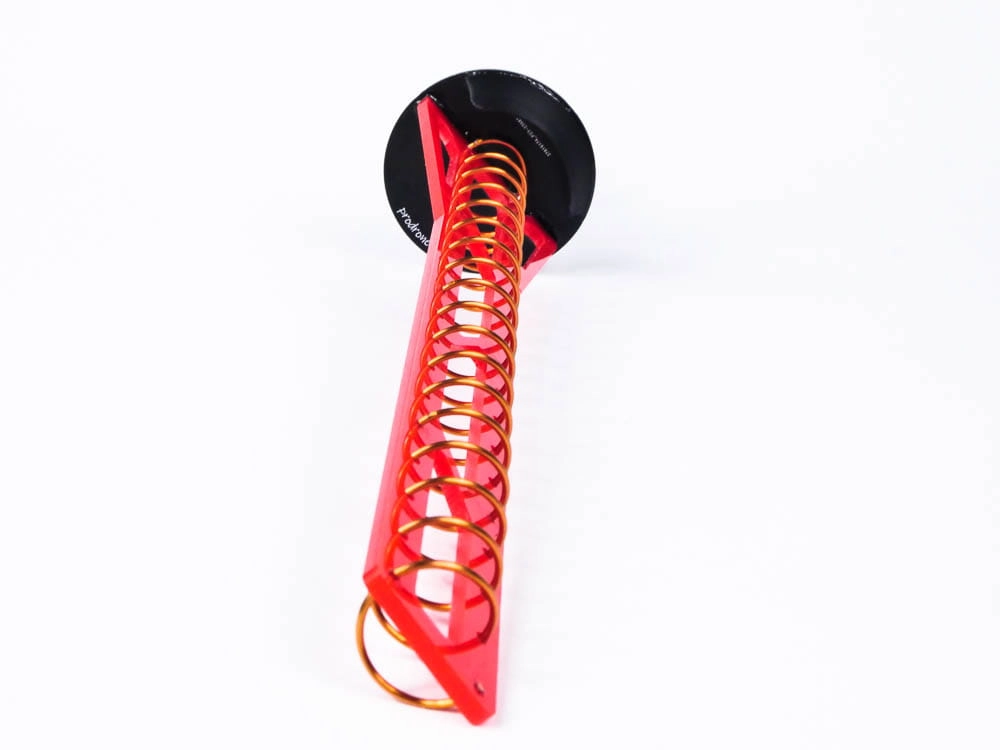

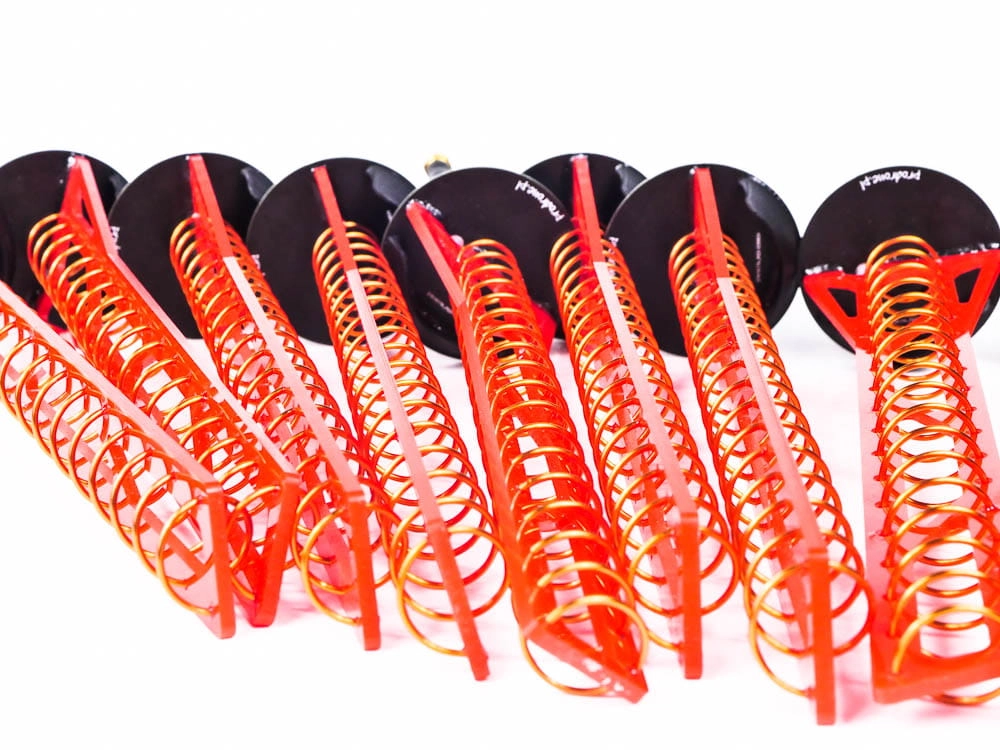


Penetrator v2 16dbi - helical antenna 18 turn 5.8 GHz (20cm cable)
Leave feedback on the product

Shipping costs are not included in the price.
Shipping costs are not included in the price.
Select product variant
Individual variants may differ in price
Product code: 666_20251001152637
Item description


The Undisputed Champion of Long-Range FPV
Introducing the Penetrator V2 - not just an antenna, but the MARKET-LEADING HIGH-GAIN ANTENNA that has redefined signal performance in the FPV world.
Proven Performance: Beyond Just Marketing Claims
Trusted by Hundreds of Professional Pilots
- Hundreds of units sold
- Consistently rated as the top high-gain antenna
- Performance verified by real-world use
- The go-to choice for serious FPV enthusiasts
The Importance of Antenna Matching in 5.8 GHz Systems
For wireless systems operating in the 5.8 GHz range, antenna matching is a game-changer. When antennas are tuned to the same frequency range, they work in harmony, delivering strong signals, fewer disruptions, and reliable performance. Mismatched antennas, however, can lead to a cascade of issues that compromise your system.
The Problem with Mismatched Antennas
Consider two antennas:
-
Antenna A: Excels at 5640 MHz with a VSWR of 1.1 (outstanding). But at 5900 MHz, its VSWR jumps to 2.5, causing significant signal reflection.
-
Antenna B: Performs perfectly at 5900 MHz with a VSWR of 1.1, but at 5640 MHz, its VSWR rises to 2, leading to similar problems.
This mismatch results in:
-
Signal Loss: High VSWR means the antenna reflects power back to the transmitter instead of radiating it, weakening your signal and reducing range.
-
Transmitter Damage: The reflected power can overheat and damage the transmitter over time, much like overloading a circuit.
-
Unpredictable Performance: Operating across a range of frequencies (e.g., 5640–5900 MHz) becomes unreliable, with performance varying drastically depending on the frequency used.
The Role of Axial Ratio
The axial ratio indicates how well an antenna maintains circular polarization. A low axial ratio (close to 1 or 0 dB) is ideal, while a high axial ratio leads to:
-
Reduced Signal Strength: The antenna becomes less efficient at transmitting or receiving signals.
-
Increased Interference: In environments with reflections, a poor axial ratio exacerbates interference.
-
Polarization Issues: If the antennas at both ends of the link have different axial ratios, communication becomes less effective.
Why Matching Antennas is Essential
By selecting antennas tuned to the same frequency range (e.g., 5640–5900 MHz), you ensure:
-
Low VSWR Across the Board: The antennas perform efficiently at all frequencies, with minimal signal reflection.
-
Excellent Axial Ratio: The antennas maintain strong circular polarization, reducing interference and improving signal quality.
-
Transmitter Longevity: Less reflected power means your transmitter stays cool and operates efficiently.
-
Cost Efficiency: You save time and money by avoiding the need for additional tuning or replacements.
As an antenna manufacturer, we specialize in delivering precision-tuned antennas tailored to your needs, ensuring your system runs smoothly and reliably. No mismatches, no compromises—just top-tier performance.
Product Reviews
If you've added a review and it doesn't appear on the list, it may be pending moderation.
Leave feedback on the product
 Log in with Facebook
 Log in with Google

